Etna Rosso Wine Guide
What Etna Rosso tastes like, the grapes behind it, how Mount Etna's volcanic slopes shape it, and what to eat with it — plus where to taste it at the source.
Etna Rosso is proof that a Sicilian red does not have to be dark, heavy or jammy.
Many examples are pale ruby in colour, with vivid acidity, red-fruit aromas, herbs, spice and a distinctly savoury edge. The wine can look delicate while carrying serious tannin and enough structure to age.
Its character comes from native grapes grown on the slopes of Mount Etna, where elevation, changing weather and layers of volcanic soil produce striking differences over short distances — differences you can taste for yourself on an Etna wine tour.
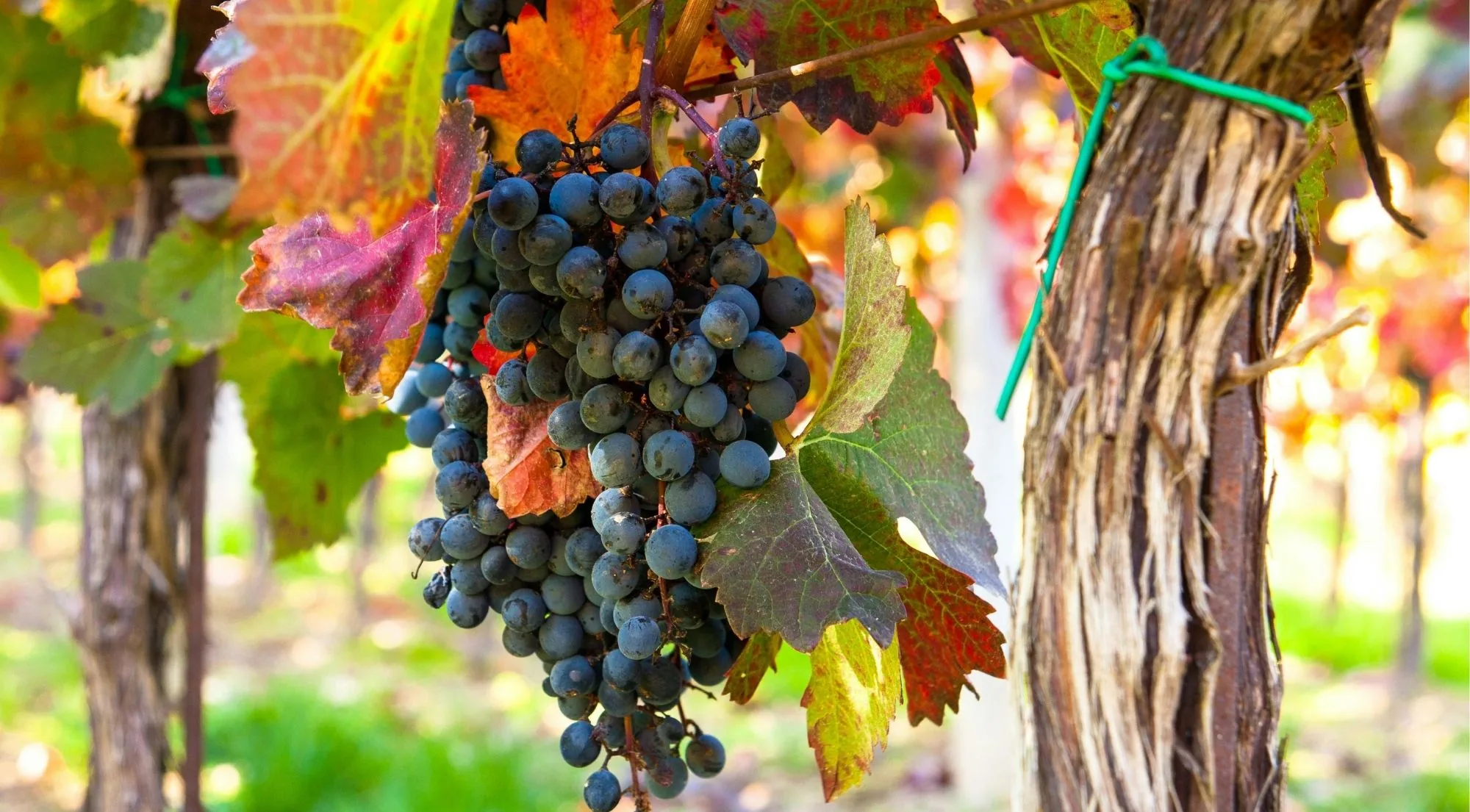
Check Availability
What is Etna Rosso?
Etna Rosso is a protected red wine from the Etna DOC appellation in eastern Sicily.
To carry the Etna Rosso name, the wine must contain at least 80% Nerello Mascalese. Nerello Cappuccio is the traditional blending partner and may make up part of the remaining blend.
Some producers make Etna Rosso entirely from Nerello Mascalese. Others use Nerello Cappuccio to add colour, softness or a different aromatic character.
The Etna DOC was established in 1968, making it one of Sicily’s oldest controlled wine denominations.
What does Etna Rosso taste like?
Although styles vary, typical aromas and flavours include:
- Red cherry
- Cranberry
- Wild strawberry
- Pomegranate
- Rose or dried flowers
- Mediterranean herbs
- Black tea
- Pepper and spice
- Smoke
- Earth
- A savoury or saline finish
Etna Rosso normally has noticeable acidity and fine but persistent tannin. It can be elegant rather than powerful, although warmer sites and riper vintages may produce fuller wines.
Do not judge it by colour alone. A transparent-looking Etna Rosso may have more grip and concentration than expected.
Nerello Mascalese: the main grape
Nerello Mascalese is a late-ripening red grape closely associated with Mount Etna. It performs well at elevation, where warm sunlight is balanced by cooler nights.
The grape is particularly responsive to its growing site. Wines from different slopes, elevations and lava formations can taste noticeably different even when made by the same producer.
Nerello Mascalese commonly brings:
- Acidity
- Red-fruit flavours
- Floral aromas
- Tannin
- Savoury complexity
- Ageing potential
It is sometimes compared with Pinot Noir because of its colour and aromatic delicacy, or Nebbiolo because of its acidity and tannin. These comparisons are useful reference points, but Etna Rosso has its own identity.
What does Nerello Cappuccio add?
Nerello Cappuccio is generally softer and deeper in colour than Nerello Mascalese.
In a blend, it can contribute:
- Colour
- Riper fruit
- Roundness
- Floral aromas
- A gentler texture
Its name is associated with the hood-like shape formed by the grapevine’s leaves. Although it usually plays a supporting role, some producers bottle it separately.
Why does volcanic soil matter?
Mount Etna is not covered by one uniform soil. Centuries of eruptions have created different lava flows with different ages, textures and mineral compositions.
Vineyards are also spread across multiple slopes and elevations. As a result, the vines experience different combinations of:
- Sun exposure
- Rainfall
- Wind
- Temperature
- Altitude
- Soil depth
- Lava composition
Volcanic soil does not simply make every wine taste of smoke. Its importance lies in drainage, vine stress and the way individual sites influence ripening and structure.
Etna’s slopes and wine styles
Broad descriptions are useful, although individual sites and winemaking choices always matter.
Northern Etna
The northern slope contains many celebrated vineyards and wineries. It is relatively cool and includes well-known wine villages such as Randazzo, Passopisciaro and Solicchiata.
Etna Rosso from the north is often associated with perfume, red fruit, acidity and structure.
Eastern Etna
The eastern side faces the Ionian Sea and receives more maritime influence and rainfall. It is particularly important for white wine, although red varieties are also grown.
Southern and southwestern Etna
These slopes receive more sun and can produce riper expressions. Elevation remains important, and styles vary considerably between sites.
What is a contrada?
A contrada is a named local district or vineyard area on Etna.
The idea is comparable, though not identical, to the use of recognised vineyard sites elsewhere in Europe. A contrada name on the label indicates a more specific origin within the wider Etna denomination.
Wine enthusiasts often compare contrada bottlings to understand how different lava flows, elevations and exposures affect Nerello Mascalese.
For a first tasting, compare one regional Etna Rosso with one or two contrada wines rather than trying too many similar bottles at once.
Etna Rosso vs Nero d’Avola
These are two of Sicily’s best-known red-wine identities, but they are quite different.
| Feature | Etna Rosso | Nero d’Avola |
|---|---|---|
| Main grape | Nerello Mascalese | Nero d’Avola |
| Typical colour | Pale to medium ruby | Medium to deep ruby |
| Fruit profile | Cherry, cranberry and pomegranate | Plum, black cherry and blackberry |
| Acidity | Usually high | Medium to high |
| Tannin | Fine but often firm | Can be broad and powerful |
| Style | Fragrant, savoury and mineral | Ripe, dark-fruited and fuller-bodied |
| Key region | Mount Etna | Grown throughout Sicily |
Choose Etna Rosso if you enjoy aromatic, high-acid reds. Choose Nero d’Avola if you prefer darker fruit and a fuller body — our Sicilian red-wine guide compares both against Frappato and Sicily’s other reds.
The best food with Etna Rosso
Etna Rosso’s combination of acidity and tannin makes it extremely useful at the table.
Good pairings include:
- Pasta alla Norma
- Grilled sausage
- Pork
- Lamb
- Roast chicken
- Mushrooms
- Aubergine
- Tomato-based pasta
- Grilled tuna
- Medium-aged pecorino
- Salumi
Lighter examples can work with tuna and roast poultry. More structured wines suit lamb, sausage and mature cheese.
Its acidity is especially helpful with tomato, making Etna Rosso a natural partner for several Sicilian pasta dishes.
How to serve Etna Rosso
Serve it slightly cooler than typical room temperature, normally around 15–18°C.
A large Burgundy-style glass gives the aromas room to develop. If the wine is young and initially closed, 30–60 minutes in a decanter may help.
Older bottles should be handled more gently. Stand the bottle upright beforehand if it has sediment and taste it before deciding whether to decant.
Can Etna Rosso age?
Yes. Good Etna Rosso can develop beautifully in bottle.
Young wines tend to emphasise red fruit, flowers, herbs and firm structure. With age, they may develop notes of dried fruit, tobacco, leather, earth and spice.
Ageing potential depends on the producer, vintage, vineyard and storage. Entry-level bottles are often intended for earlier drinking, while structured contrada and riserva wines may evolve for many years.
How to choose a bottle
For your first Etna Rosso, look for:
- The Etna DOC designation
- A recent vintage from a reputable producer
- Clear information about the vineyard or slope
- Nerello Mascalese listed as the principal grape
- A style description matching your preferences
Start with a regional Etna Rosso before moving to more expensive single-contrada wines. This gives you a useful benchmark.
Tasting Etna Rosso at a winery
A winery visit is particularly valuable on Etna because the landscape explains the wine. The Mount Etna winery tour and tasting at Gambino, above Linguaglossa on the north slope, is a good example — a cellar walk followed by five current vintages against local food, for $71 and rated 4.8 / 5 from 124 reviews (our breakdown →).
A typical tour may include:
- A walk through terraced vineyards
- An explanation of elevation and lava soils
- A visit to the cellar or historic palmento
- A tasting of Etna Bianco, Rosato and Rosso
- A comparison of wines from different sites
- Local cheese, salumi, olive oil or lunch
The northern slope offers the largest concentration of wineries, but travel times can be longer than they appear on a map. Every option, cellar-door tasting or guided day, is compared on the Etna wine tours page.
Is Etna Rosso worth trying?
Yes — especially if you enjoy reds with fragrance, acidity and a strong sense of place.
Etna Rosso is not the biggest or darkest Sicilian wine. Its appeal lies in tension: delicate colour against firm structure, ripe Mediterranean fruit against cool mountain freshness, and an active volcanic landscape expressed through remarkably varied vineyards.
Frequently asked questions
Is Etna Rosso a full-bodied wine?
Usually not. Most examples are light to medium-bodied, but they can still have strong acidity and tannin.
Is Etna Rosso sweet?
No. Etna Rosso is normally a dry red wine.
Does Etna Rosso taste smoky?
Some wines have smoky, earthy or mineral notes, but volcanic wine does not automatically taste like smoke.
Is Nerello Mascalese the same as Nero d’Avola?
No. They are separate Sicilian grape varieties with distinctly different styles.
Should Etna Rosso be chilled?
It benefits from being served slightly cool. Avoid serving it warm, particularly during summer.
Ready to book?
Taste it where it is made: the Etna wine tours page compares every cellar-door tasting and guided day on the north slope, and best wineries to visit in Sicily picks the estates that welcome visitors. If you want the wider comparison first, best wine regions in Sicily sets Etna against Marsala, Noto and Vittoria.